Best Vegan Shoes of 2026
Vegan footwear grew out of its canvas-only era: apple-skin leather, corn-based uppers and recycled knits now cover everything from office shoes to hiking boots. These picks from NAE, Will's Vegan Store, Vegan America and mainstream lines cover the whole wardrobe, animal-free.


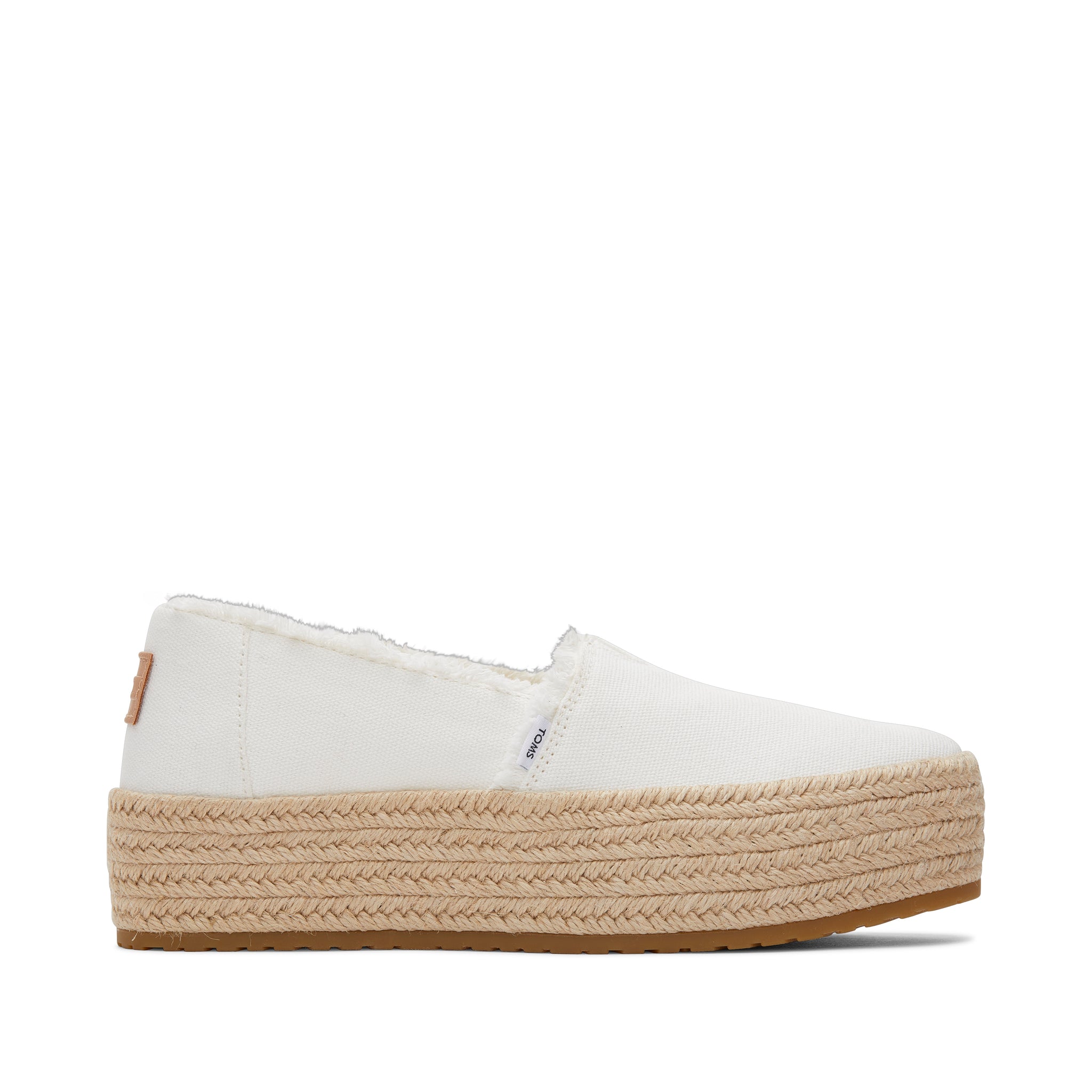


Top Vegan Shoes at a glance
| Shoe | Price | Rating | Sizes | Sold by |
|---|---|---|---|---|
| NAE Vegan Sneakers Kario White | $155 | 4.9 ★ (50) | At checkout | NAE Vegan Shoes |
| NAE Vegan Chunky Sneakers Hanoi Blue | $137 | 4.8 ★ (21) | At checkout | NAE Vegan Shoes |
| NAE Men's Vegan Derby Shoes Jake Brown | $185 | 5.0 ★ (16) | At checkout | NAE Vegan Shoes |
| TOMS Valencia White Canvas Platform Espadrille | $80 | 4.0 ★ (7,900) | At checkout | TOMS.com |
| Birkenstock Birkenstock Gizeh Birko-Flor Vegan Brushed F… | $72.99 | 5.0 ★ (881) | At checkout | Zulily |
| Rothy's The Cozy Clog - Cookies and Cream Bouclé | $170 | 4.5 ★ (653) | 5–13 | Rothy's |
| TOMS Abby Slide Flatform Espadrille Sandal White … | $75 | 4.1 ★ (789) | 5–12 | TOMS.com |
| TOMS Majorca Rope Natural Platform Sandal | $100 | 4.2 ★ (649) | 5–12 | TOMS.com |
What 'vegan' actually requires in a shoe
No leather or suede is the obvious part; the hidden parts are the glues (traditionally animal-derived), wool linings, and beeswax treatments. Certified vegan brands like NAE and Will's Vegan audit the full build, adhesives included. Mainstream brands increasingly label specific models vegan — reliable when stated explicitly, uncertain when a canvas shoe just looks animal-free. If the certification matters to you, buy from dedicated vegan makers or look for the explicit label, not the material list.
The new materials are the story
First-generation vegan leather was PVC that cracked in a season. The current generation is genuinely good: apple-skin and grape leather (fruit-industry byproducts over a backing), corn-based Bio-Veg uppers, recycled ocean plastics, and microfibre suedes that fool fingertips. They break in faster than leather, wipe clean, and hold up to daily wear — the durability gap with animal leather has narrowed to years rather than categories. The remaining trade: most plant leathers still involve some polyurethane, so 'vegan' and 'plastic-free' aren't yet the same claim.
Where vegan options are strong (and where to look harder)
Sneakers and casual flats are the solved category — Rothy's knits, Veja's vegan lines and TOMS' canvas heritage compete head-on with anything leather. Dress shoes and boots are where dedicated vegan makers earn their premium: NAE's Portuguese-made oxfords and Will's Vegan's Chelsea boots are the standard answers. Performance footwear is the frontier; vegan-friendly running shoes are common (most are synthetic anyway), but check membranes and glues if certification matters.
Frequently asked questions
+Is vegan leather durable?
Modern microfibre and fruit-based leathers hold up to years of regular wear — a real improvement over early PVC. They resist water and scuffs better than leather but can't be resoled and conditioned into a second decade the way welted leather can.
+Are Crocs and most running shoes vegan?
Many are effectively animal-free — Crocs' classic clogs are, and most synthetic runners avoid leather. The uncertainty is glue and dye sourcing, which is why strictly vegan buyers favor explicitly certified models.
+Do vegan shoes cost more?
Dedicated vegan brands price like mid-range leather ($100–200) — you're paying for European manufacturing and certified supply chains, not the materials. Mainstream vegan-labeled models cost the same as their standard versions.
Picks are selected from live inventory across independent stores on Agora and refresh as the catalog updates. Prices and availability come from each store; you check out securely on the merchant’s own site.